Visual artist and lecturer Hélène Mc Nicoll lives in Château-Richer near Québec City. She completed her bachelor’s degree in visual and media arts at Laval University, having spent part of her studies at the École d’enseignement supérieure d’art et design Marseille-Méditerranée (France). She specializes in the use of plant fibers, which she transforms into bas-reliefs, combined or not with printmaking or drawing techniques.
Wishing to contribute actively to the promotion of the environment, Hélène Mc Nicoll collaborates with people committed to the promotion of Nature in the city. For Hélène, art is a way of speaking out. This voice is conveyed both by her works and by the lectures she gives in collaboration with psychologist Jacques Gélinas. Both address the importance of nature to our personal health, and the ease of embracing it in our daily lives.
Former co-owner of the Canyon Sainte-Anne nature park (www.canyonsa.qc.ca), Hélène Mc Nicoll has spent 10 years working tirelessly with regional authorities to change land regulations and have the Canyon’s banks classified as a “conservation zone”; her artwork stems from this struggle.
Artist Statement
Hélène Mc Nicoll’s intriguing work bears witness to the daily contacts between plants, animals and humans. Struggle but collaboration, invasion and cohabitation, animism and anthropocentrism: her works are the result of the ineluctable interweaving of all that tries to live. Her favorite meeting places are city centers and suburbs, which are now the intersection zones where most humans perceive part of the entanglement between themselves and other living beings.
Hélène Mc Nicoll uses the technique of the imprint. The imprint is the privileged witness of a contact at a precise moment in the concrete material existence of the beings involved. For the artist, manipulating it during her work preserves the vividness of the encounter that triggered the creative process. The imprint minimizes the distance between reality and the living being during the work. It frees us from the boundary between art and life.
Artworks
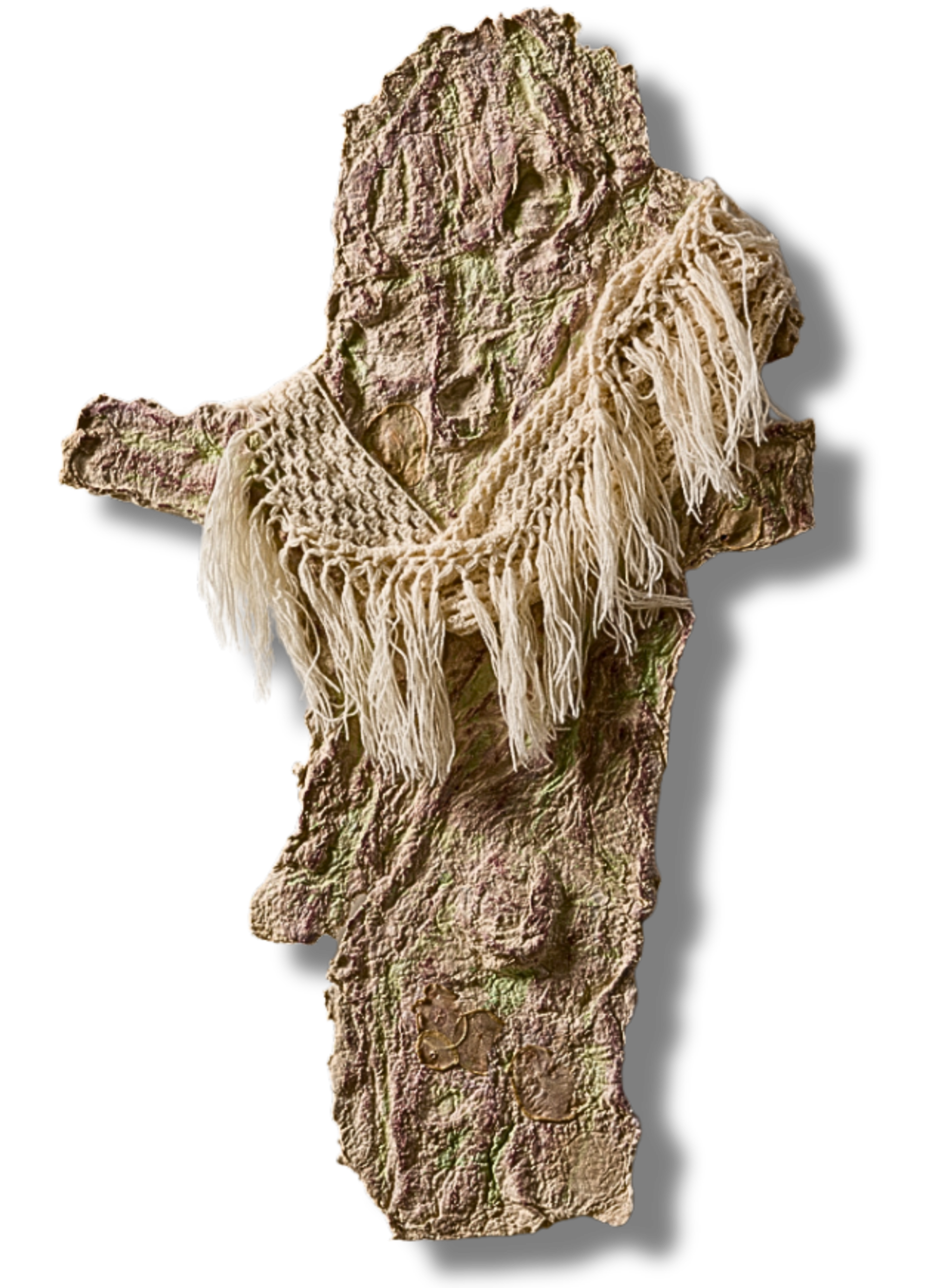
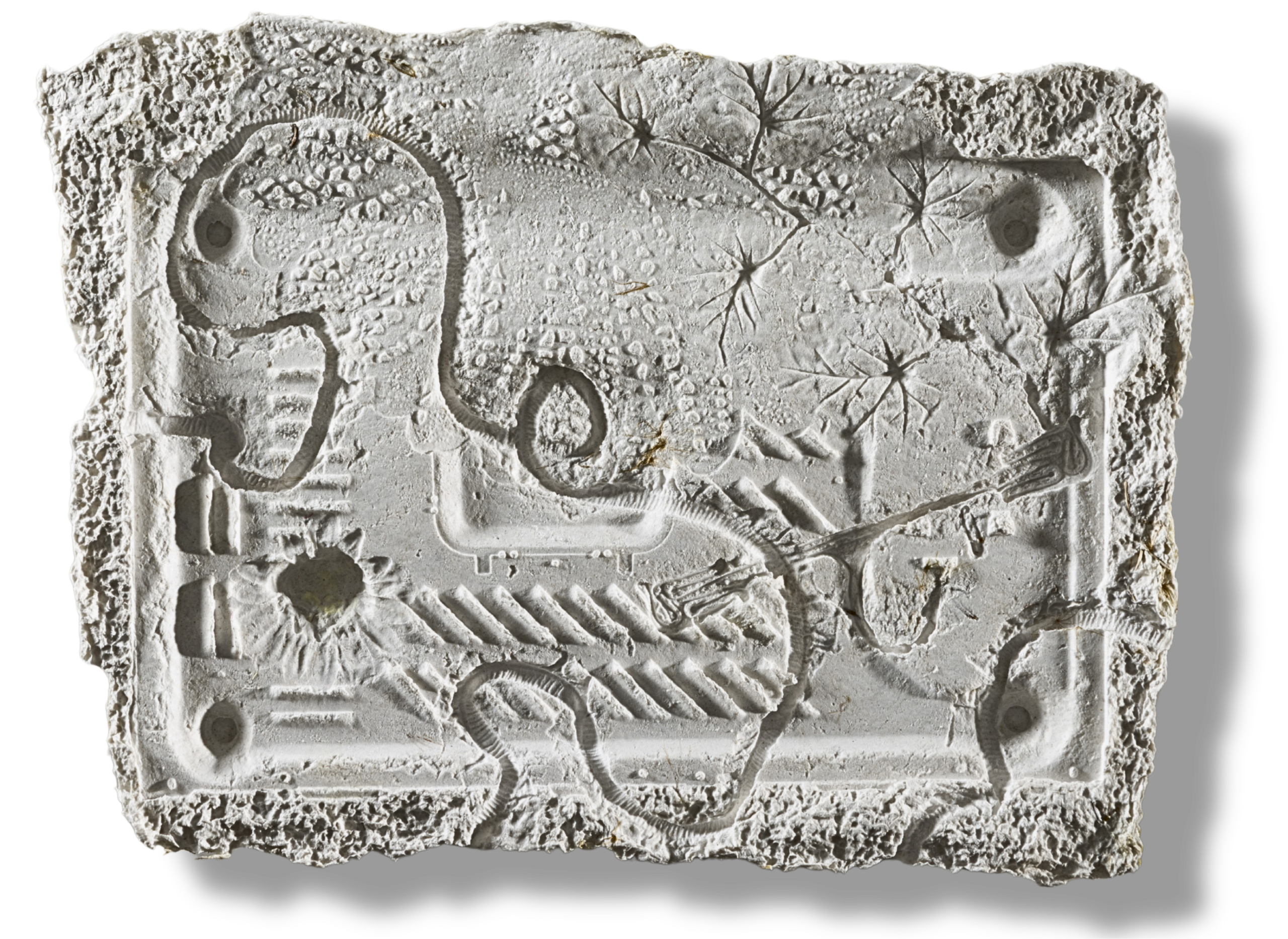
Hélène Mc Nicoll_By my Tree Chilly_36x23_acrylic cotton fibers St-Lawrence River clay pear_result
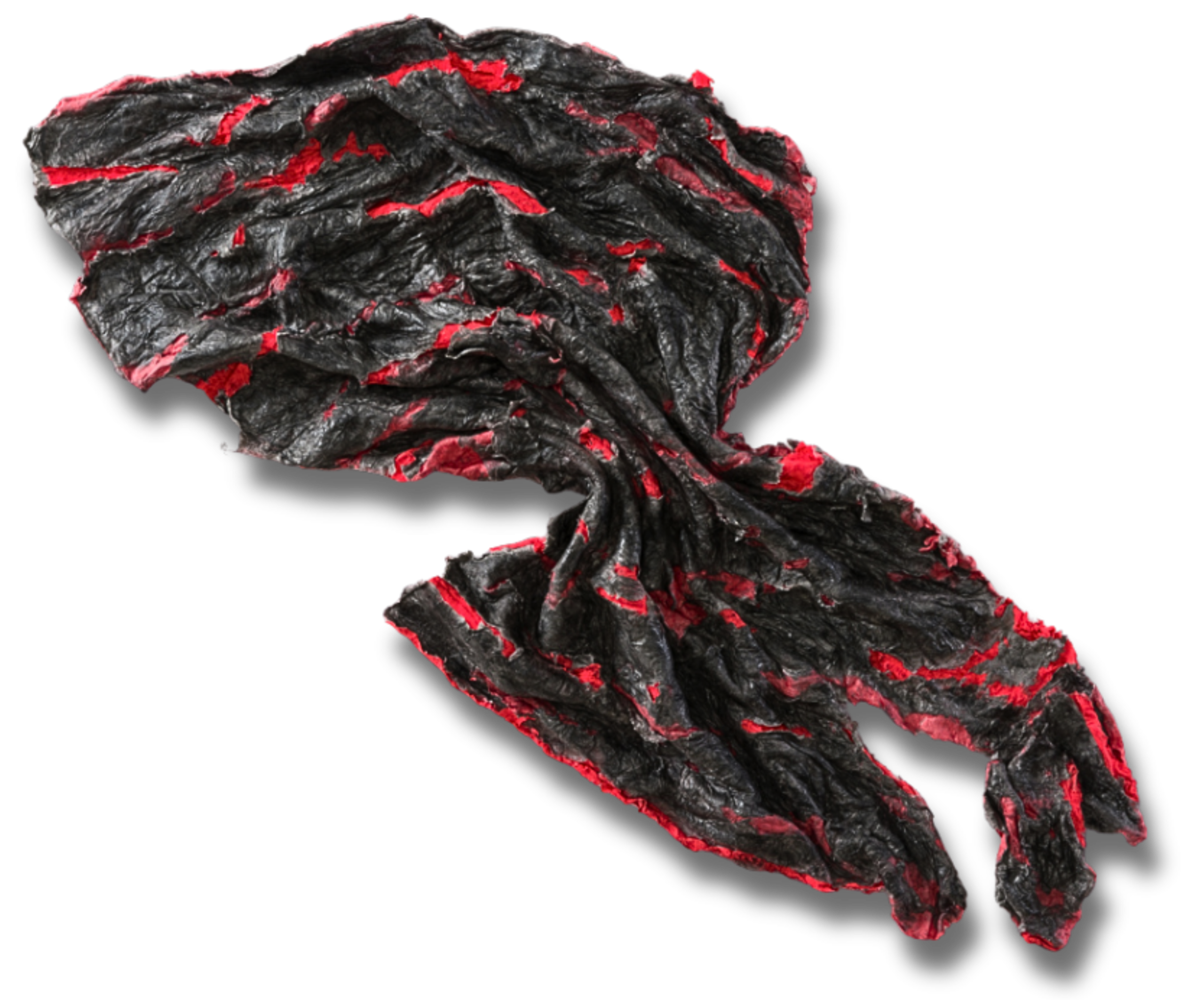
Hélène Mc Nicoll, By my Tree Murray, 2022, 23x37 in, Abaca fibres acrylic cotton fibers result
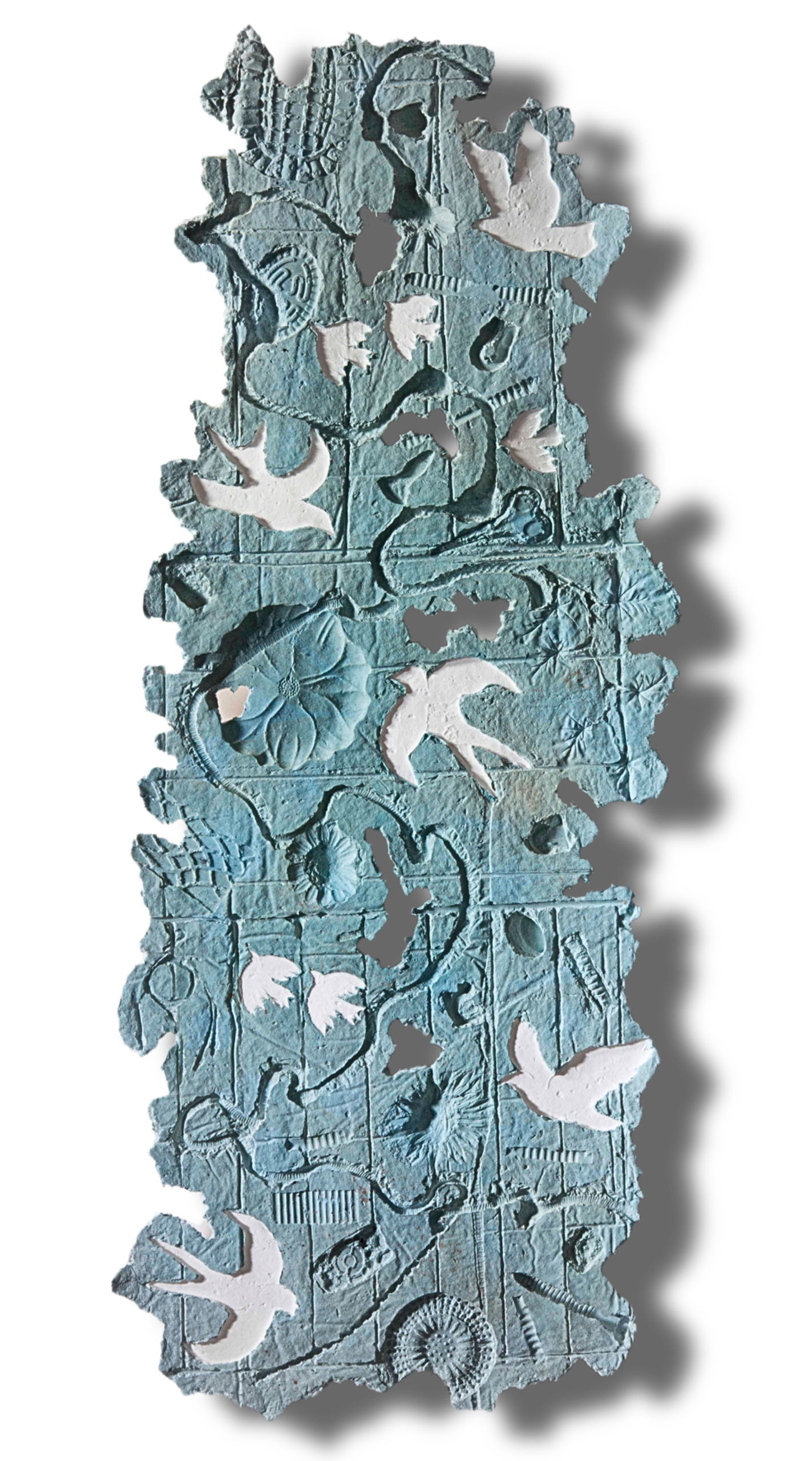
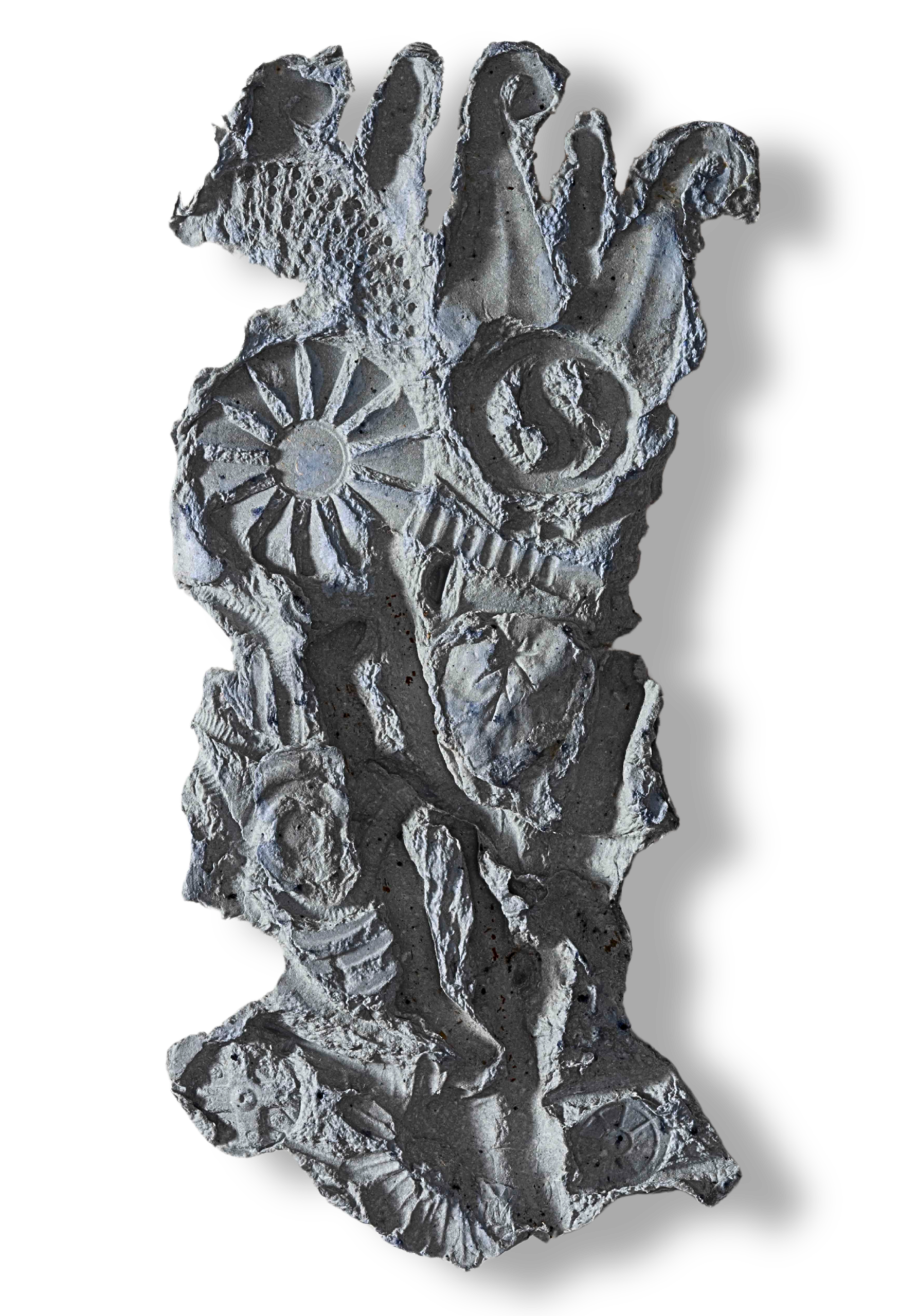
Hélène Mc Nicoll, Inter-Sections Blue, 2025, 64x24 in, Acrylic cotton fiber result
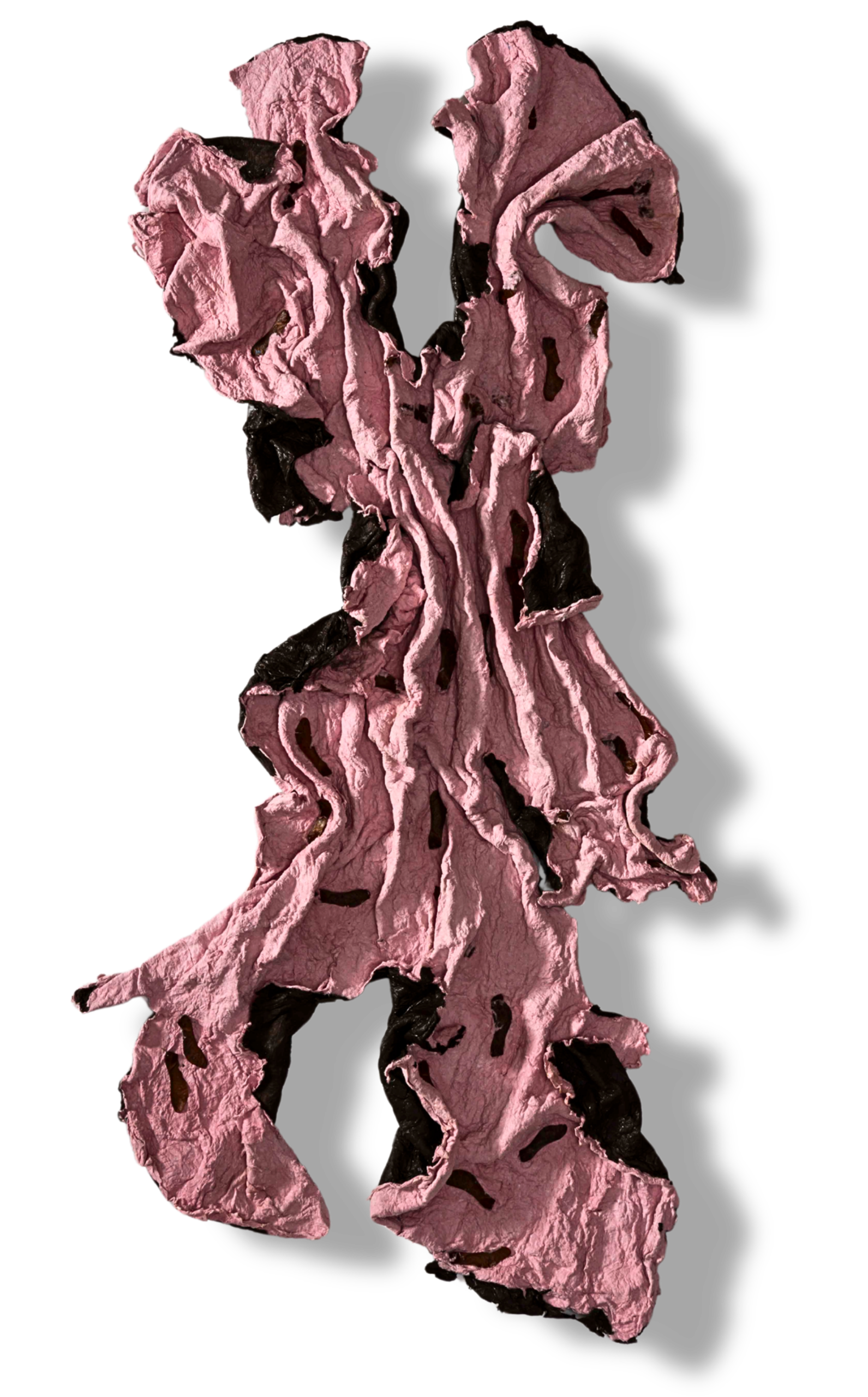
Hélène Mc Nicoll, Maple Suger strawberry and chocolate, 2025, 40x18 in, Abaca fibers acrylic cotton fibers samara result
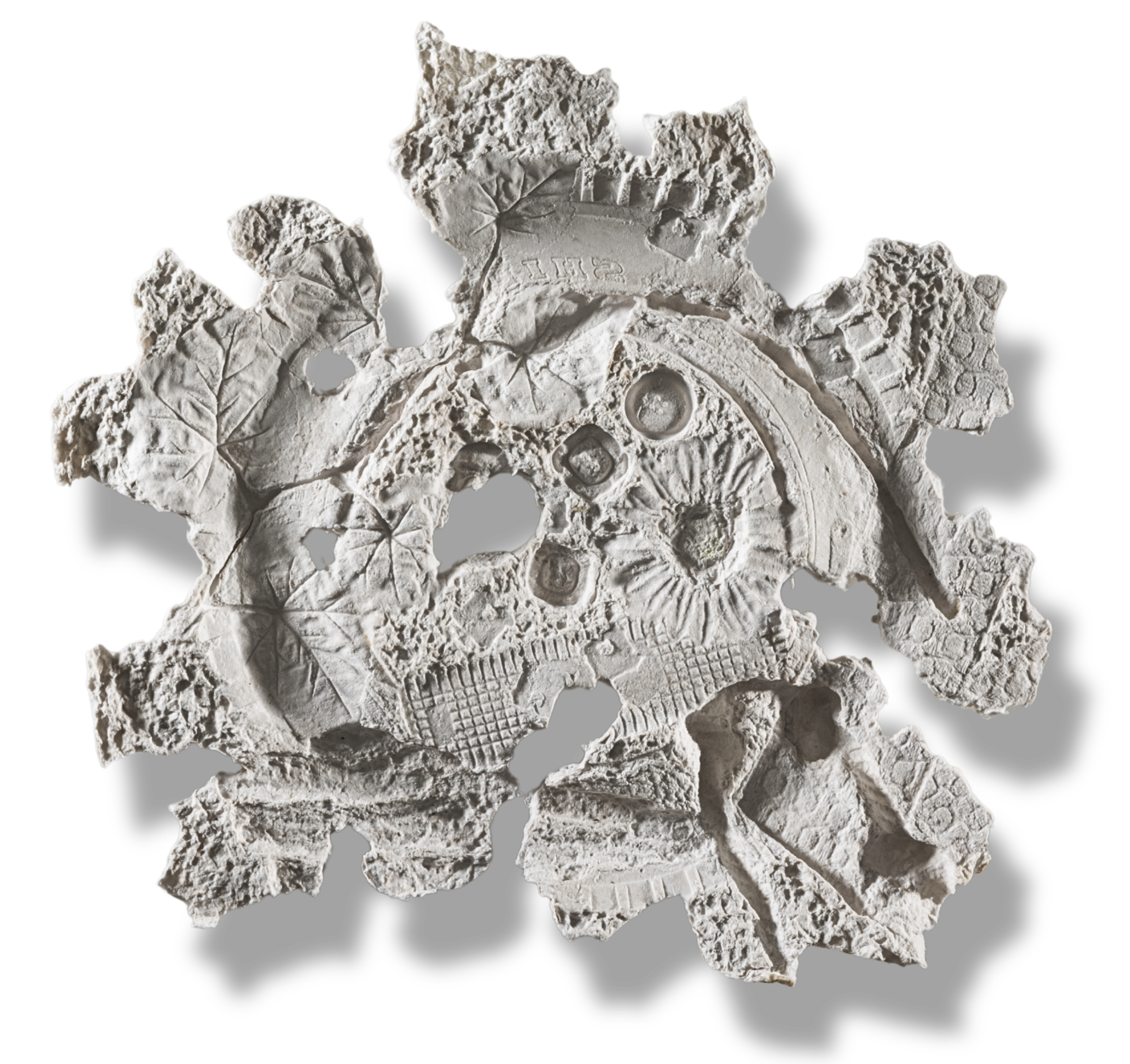
5. Hélène Mc Nicoll, Inter-sections water fields, 19x19 in, Cotton fibers meadow salsify result
Hélène Mc Nicoll, Inter-Sections sunny, 2023, 19x19 in, Cotton fibers result
Hélène Mc Nicoll, Inter-Sections crowned, 2025, 19x9 in, Acrylic cotton fiber result